
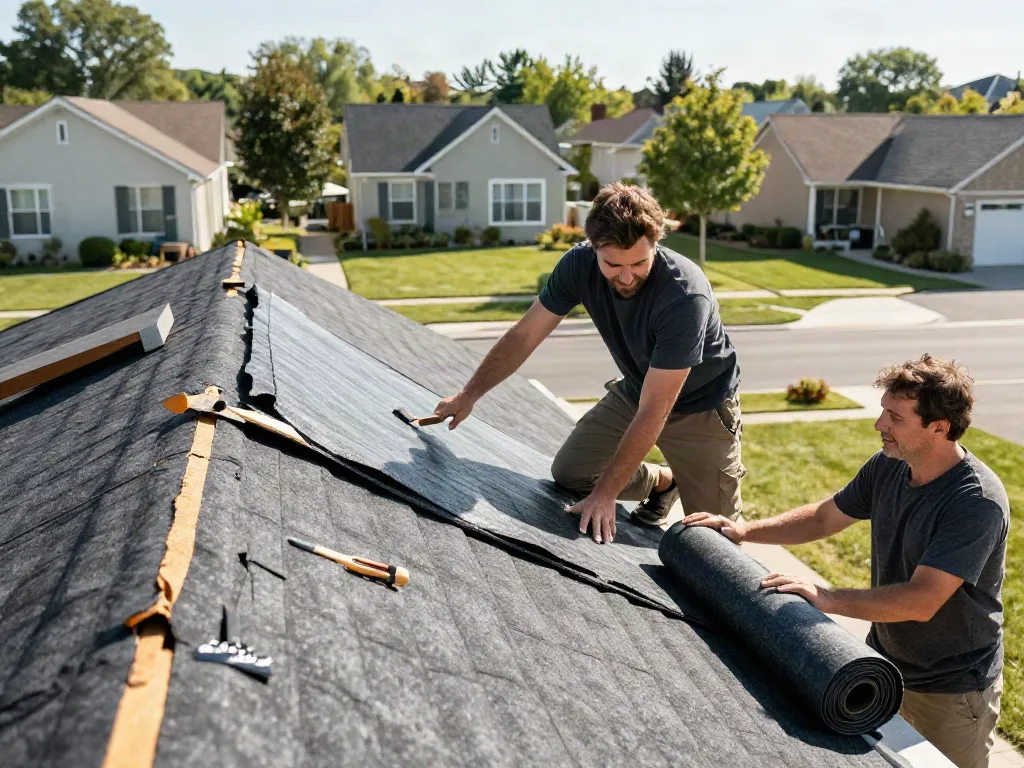
Understanding Felt Roof Replacement
Felt roofing has gained immense popularity in various applications, from garages to home extensions, due to its durability and weather resistance. However, over time, these systems can wear down and require replacement. Understanding the nuances of felt roof replacement is crucial for homeowners seeking to protect their investments. This guide dives deep into what felt roofing entails, the reasons for needing a replacement, and the subsequent benefits of upgrading to modern systems.
What is a Felt Roof?
A felt roof is a type of flat roofing system made from layers of roofing felt, which is usually composed of bitumen and reinforced with fiberglass or polyester. It is applied to a roof in several layers, providing a waterproof barrier that protects the underlying structure from the elements. Felt roofs are popular for their ease of installation and cost-effectiveness, as they typically require less material than traditional pitched roofs.
Common Reasons for Replacement
Several factors can necessitate a felt roof replacement. Common reasons include:
- Age: Most felt roofs have a lifespan of 10-20 years. As they age, they become more susceptible to leaks and damage.
- Weather Damage: Harsh weather conditions, such as heavy rains, snow, or intense sunlight, can deteriorate felt roofs quicker.
- Poor Installation: If the initial installation was not executed correctly, issues such as leaks and blistering can arise, leading to a need for replacement.
- Structural Changes: Alterations to the building, such as adding insulation or changing the roof pitch, may require a complete roof overhaul.
Benefits of Upgrading to Modern Felt Systems
Upgrading to modern felt roofing systems provides several advantages, including:
- Improved Durability: Modern materials are designed to withstand harsh weather conditions better than older systems.
- Enhanced Energy Efficiency: New systems often incorporate insulation, reducing energy costs and improving comfort.
- Longer Lifespan: With proper installation and maintenance, modern felt roofs can last significantly longer, providing better long-term value.
- Minimal Maintenance: New felt roofing systems often require less upkeep than traditional options, thanks to advanced materials that resist mold and algae growth.
The Process of Felt Roof Replacement
Understanding the replacement process can help homeowners prepare for what lies ahead. A typical felt roof replacement involves several essential steps, ensuring that the new roof is securely installed and capable of protecting the property effectively.
Step-by-Step Guide to Replacement
The following outlines the typical steps involved in a felt roof replacement:
- Inspection: A thorough inspection of the existing roof to identify damage and determine if a replacement is necessary.
- Preparation: Removing the old felt roof and ensuring that the underlying structure is sound.
- Installation of New Felt: Laying down new layers of roofing felt, typically using a torch-on method for maximum adhesion.
- Finishing Touches: Sealing joints and edges to ensure complete waterproofing and durability.
Required Tools and Materials for a Successful Job
Professionals use various tools and materials to ensure a successful felt roof replacement. Key items include:
- Measuring tape
- Utility knife
- Roofing felt
- Heat gun or torch
- Adhesive
- Safety equipment, such as harnesses and helmets
Professional vs. DIY: Which to Choose?
While some homeowners may consider a DIY approach, hiring professionals for felt roof replacement is often the best choice. Professionals have the experience, tools, and knowledge to perform the job correctly, reducing the risk of future issues. Moreover, they can offer warranties that DIY work typically cannot provide.
Cost Considerations for Felt Roof Replacement
Knowing the costs associated with felt roof replacement will help homeowners budget appropriately and avoid unexpected expenses. Various factors influence the final price, from materials to labor.
Average Costs and Factors Affecting Pricing
The average cost for felt roof replacement in the UK ranges from £50 to £80 per square meter, depending on factors such as:
- Roof size and complexity
- Accessibility of the roof
- Type of materials used
- Local labor rates
How to Get Accurate Quotes from Local Contractors
To obtain accurate quotes, homeowners should:
- Provide detailed information about their roof condition and the work required.
- Invite multiple contractors for site assessments.
- Compare quotes based on materials, labor, and timelines.
Understanding the Value of Warranty and Insurance
When considering contractors, it's essential to understand their warranty and insurance policies. A reputable contractor will provide a warranty on both materials and workmanship, offering peace of mind for homeowners in case issues arise post-installation.
Choosing the Right Contractor for Your Replacement
Choosing the right contractor is vital for a successful felt roof replacement. Homeowners should do their due diligence to ensure they find a professional who meets their needs.
What to Look for in a Roofing Contractor
Key considerations when selecting a roofing contractor include:
- Experience: Look for contractors with a solid track record in felt roofing projects.
- Insurance: Confirm they have liability insurance and worker's compensation coverage.
- References: Ask for past clients' testimonials to gauge customer satisfaction.
Questions to Ask Before Hiring
Before making a decision, homeowners should ask potential contractors:
- What types of felt roofing systems do you recommend?
- What is the expected timeline for the project?
- Do you provide a written estimate?
Importance of Checking References and Insurance
It is crucial to verify the contractor's references and ensure they have proper insurance. This step not only protects the homeowner but also ensures quality standards are upheld throughout the installation process.
Future Trends in Roofing: What to Expect in 2026 and Beyond
The roofing industry is continuously evolving, with emerging technologies and practices shaping the future of roofing solutions. Understanding these trends can help homeowners make informed decisions regarding their roofing needs.
Emerging Technologies in Roofing Materials
New materials, such as synthetic roofing membranes and energy-efficient options, are becoming increasingly popular. These materials offer improved durability and energy savings compared to traditional felt systems.
Sustainability Trends in Roofing Practices
Sustainability is at the forefront of many construction practices, including roofing. Innovations like green roofs and solar-integrated roofing systems provide environmentally friendly options for property owners.
How Climate Change is Affecting Roofing Solutions
Climate change is leading to more severe weather patterns, prompting the need for more resilient roofing systems. Homeowners may need to consider factors such as heat resistance and waterproofing in their roofing decisions.
What Questions Should Homeowners Consider?
Before undertaking a roofing project, homeowners should consider questions such as:
- What is the most energy-efficient roofing material I can use?
- How will my roof withstand extreme weather events?
- What maintenance practices should I adopt for longevity?
How Long Does a Felt Roof Typically Last?
With proper installation and maintenance, a quality felt roof can last between 10-20 years, with modern systems often reaching the upper end of that range due to improved materials.
What Are the Signs of Roof Failure?
Homeowners should be vigilant for signs of roof failure, which include:
- Ponding water
- Cracks or splits in the felt
- Visible sagging or uneven surfaces
Can You Replace a Felt Roof in Winter?
While it is possible to replace a felt roof during the winter, it is not always advisable due to colder temperatures and potential snow, affecting installation quality. Contractors may need to take extra precautions during this season.
Is It Possible to Put New Felt Over Old?
In some cases, it is possible to install new felt over old materials, provided the existing roof is structurally sound. However, this method is less common and may not be the best choice for every situation.
What Maintenance Does a New Felt Roof Require?
Regular maintenance is essential for extending the life of a new felt roof. Homeowners should perform periodic inspections and clear debris to prevent blockages that can lead to water pooling and leaks.