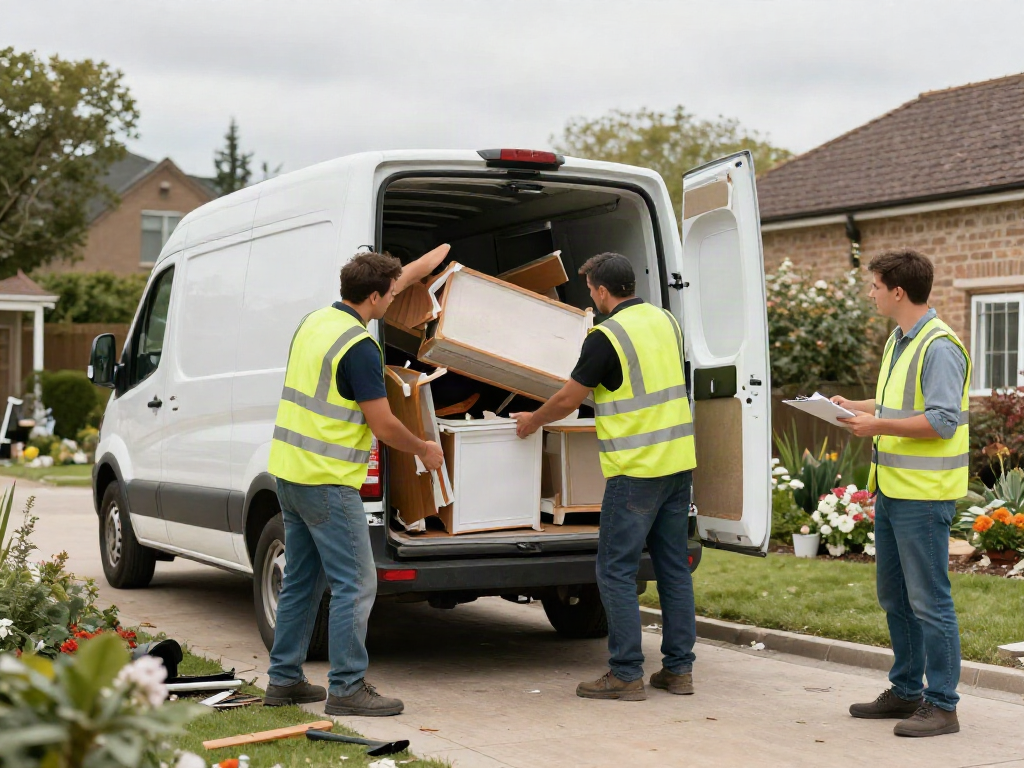
Understanding the Importance of Waste Removals
Waste removals play a crucial role in maintaining both residential and commercial spaces, ensuring that environments are clean, functional, and compliant with regulations. Proper waste management not only enhances the aesthetics of an area but also helps in protecting public health and minimising environmental impact. In the context of Luton, where urban development and population density are increasing, effective waste removals are becoming even more vital. For residents and businesses exploring options, waste removals services are essential to address diverse needs.
What is Waste Removals?
Waste removals refer to the process of collecting, transporting, and disposing of waste materials. This can include everything from household rubbish and garden waste to commercial refuse and construction debris. Effective waste management involves not only the physical removal of waste but also the sorting and recycling of materials whenever possible.
In the UK, waste removals are governed by strict regulations that dictate how different types of waste should be managed. Understanding these regulations is crucial for individuals and businesses alike to ensure compliance and minimise environmental impact.
Impact on Home Environment and Community
The impact of waste removals extends beyond mere aesthetics; they are fundamental to public health and environmental sustainability. Inefficient waste disposal can lead to the proliferation of pests and diseases, contaminating water sources and degrading the community’s overall quality of life. Additionally, local councils and communities can face financial burdens in managing illegal dumping and littering, which can be reduced through effective waste removal practices.
Communities that prioritise waste management foster a sense of pride and responsibility among residents, ultimately contributing to a healthier environment.
Regulatory Compliance and Environmental Considerations
In the UK, waste disposal regulations ensure that waste is handled safely and responsibly. The Waste and Resources Action Programme (WRAP) and local councils set guidelines that govern how waste is classified, stored, and disposed of. Adherence to these regulations helps protect the environment by promoting recycling, recovery, and safe disposal techniques that reduce landfill use and promote sustainability.
For businesses, compliance is not just a legal obligation; it also enhances corporate reputation and can lead to cost savings in waste management. Understanding these regulations is essential for both residential and commercial property owners.
Common Challenges in Waste Removals
Residential vs. Commercial Waste Management
One of the primary challenges in waste removals is the difference in waste types generated by residential and commercial properties. Residential waste typically consists of household items, while commercial waste may include a more varied array of materials from packaging to hazardous substances. This requires tailored approaches to waste management, with commercial entities often facing stricter regulations regarding disposal methods.
Additionally, commercial waste management is affected by factors like contract negotiations, waste audits, and staff training, setting it apart from the more straightforward residential processes.
Seasonal Peaks and Demand Fluctuations
Seasonality can significantly impact waste removal demands. For example, spring cleaning often leads to an increase in residential waste, while commercial sectors may experience spikes during stocktaking or holiday seasons. Waste removal businesses must be agile and prepared to handle these fluctuations in demand while maintaining service quality.
Planning for these seasonal peaks involves forecasting waste generation trends and ensuring sufficient resources and staffing to manage increased workloads during busy periods.
Misconceptions About Waste Disposal
Many misconceptions surround waste removals, including the belief that all waste can simply be dumped in landfills. In reality, responsible waste management requires understanding the different types of waste and the proper disposal or recycling methods for each. Educating the community about what constitutes recyclable materials and hazardous waste is crucial in fostering responsible waste disposal practices.
Moreover, the misconception that waste removal is solely about getting rid of rubbish can lead to missed opportunities for recycling and reusing materials, which are essential components of sustainable waste management.
Best Practices for Effective Waste Removals
Choosing the Right Service Provider
Selecting a reliable waste removal service is key to effective waste management. Look for providers with a proven track record in your area and positive customer reviews. A quality service provider should be transparent about their disposal methods, offer flexible options tailored to your needs, and ensure compliance with local waste regulations.
Consider the types of waste you need to be removed and ensure that the service can accommodate specific requirements, particularly for hazardous materials or large-scale clean-ups.
Planning Your Clearance Project
Proper planning is essential for a successful waste removal project. Begin with a comprehensive inventory of all waste materials you wish to dispose of. Categorising waste into recyclable, reusable, and non-recyclable items will aid in the efficient sorting and disposal process. Additionally, scheduling your waste removal on days when the service is less busy can help streamline the process.
Engaging a professional waste management service early in your planning can also provide insights into the most efficient methods for handling and disposing of waste items.
Innovative Technologies in Waste Management
The landscape of waste management is evolving, with innovative technologies reshaping how waste is processed and removed. From the use of AI and IoT devices to monitor waste levels and optimise collection routes, to recycling technologies that can break down materials more effectively, these advancements are making waste removals more efficient than ever.
Moreover, the integration of mobile applications for scheduling and tracking waste collection is enhancing user experiences and ensuring timely service delivery.
Real-World Applications of Waste Removals
Case Studies: Successful Waste Clearance Projects
Several case studies highlight the positive impacts of efficient waste removals. For instance, a recent project in Luton involved clearing out an abandoned property, which not only improved the local aesthetic but also reduced health hazards associated with the accumulated waste. The project utilised a combination of manual sorting and commercial recycling services, ensuring that as much waste as possible was repurposed rather than sent to landfill.
Such successful projects not only demonstrate the efficiency of professional waste removals but also underscore the importance of community collaboration in promoting responsible waste management.
Testimonials from Clients on Service Efficiency
Customer feedback is invaluable in assessing the effectiveness of waste removal services. Many clients report significant time savings and improved satisfaction with the speed and professionalism of service providers. Testimonials highlighting the efficiency of the clearance process, proper disposal methods, and environmentally-conscious practices can help prospective customers make informed choices.
These positive experiences often result in repeat business and referrals, showcasing the significance of customer service in the waste removal industry.
Visualising the Benefits of Professional Waste Removal
Visual representation of before-and-after scenarios can effectively demonstrate the benefits of professional waste removals. Transformations of cluttered spaces into clean, usable areas not only enhance property values but also contribute to mental well-being. Furthermore, visual data showcasing the amount of waste diverted from landfills through recycling and responsible disposal methods reinforces the positive impact of professional services.
Future Trends in Waste Removals for 2026 and Beyond
Emerging Technologies Shaping Waste Management
The future of waste removals is set to be significantly influenced by emerging technologies. With the advent of advanced sorting technologies that improve recycling rates and the increasing use of drones for monitoring waste levels in hard-to-access areas, the efficiency of waste management will enhance dramatically. Additionally, the shift towards smart cities will see increased integration of waste management systems with urban planning.
Sustainability Trends Impacting the Industry
Sustainability will continue to be a cornerstone of the waste removal industry. Companies will focus on reducing their carbon footprints by implementing greener disposal methods and adopting zero-waste principles. Initiatives promoting circular economies, where products are designed to be reused, recycled, or composted, will gain momentum, influencing how waste is viewed and managed.
Expert Insights on the Future of Waste Removals
Industry experts predict significant changes in waste management practices in the coming years. Increased public awareness of environmental issues will drive demand for sustainable waste removal solutions. This will likely lead waste removal companies to innovate their services, focusing on comprehensive waste audits and environmentally-friendly disposal methods.
What Are the Environmental Goals for the Future?
In alignment with national and global sustainability objectives, waste removal services will increasingly set ambitious environmental goals. These may include reducing landfill dependency by enhancing recycling rates and developing waste-to-energy projects. Continuous innovation and adoption of best practices within the industry will be essential to meet these goals and ensure a cleaner, safer environment for all.
FAQ: What are the Most Common Waste Types Removed?
Understanding the types of waste typically removed can help in planning efficient waste management strategies. The most common waste types include:
- Household rubbish (general waste)
- Garden waste (green waste)
- Bulky items (furniture, appliances)
- Construction waste (bricks, metals)
- Hazardous materials (chemicals, electronics)
FAQ: How to Prepare My Home for a Waste Removal?
Preparing your home for a waste removal service involves several steps:
- Sort your items into categories: keep, donate, recycle, and dispose.
- Ensure access to the area where waste will be collected, removing any obstacles.
- Consult with your waste removal provider about any specific requirements.
FAQ: What Are the Cost Factors in Waste Removals?
Several factors influence the cost of waste removals, including:
- Type and volume of waste
- Distance to disposal site
- Special handling requirements for hazardous materials
- Additional services such as packing or cleaning
FAQ: How Do Regulations Affect Waste Removals?
Regulations dictate how waste is collected, transported, and disposed of. Compliance ensures that waste removals are carried out safely, minimising environmental impact and protecting public health. Failure to adhere to these regulations can result in fines or legal repercussions.
FAQ: Can I Recycle During Waste Removals?
Yes, recycling during waste removals is highly encouraged. Most professional waste removal services will sort recyclable materials from general waste, ensuring they are directed to appropriate recycling facilities. It is important to discuss recycling options with your service provider beforehand.