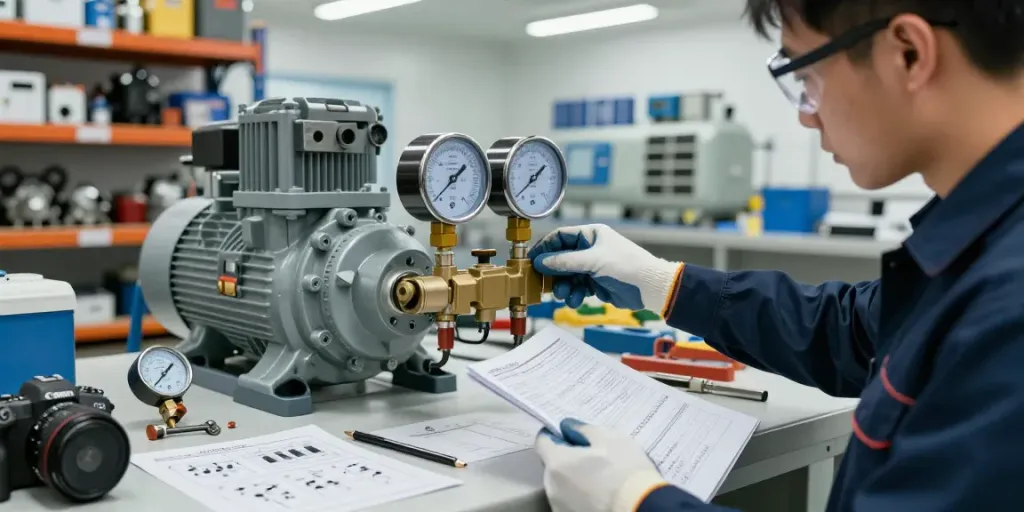
Understanding Water Pump Pressure Switch Basics
Water pump pressure switches play a crucial role in maintaining the efficient operation of water pumping systems, automating the start and stop of pumps based on predefined pressure levels. This component is vital for ensuring that water pressure remains consistent, particularly in environments that demand reliable water supplies such as residential buildings, agricultural applications, and industrial settings. When exploring options, water pump pressure switch models are designed to meet specific requirements for durability, precision, and performance.
What is a Water Pump Pressure Switch?
A water pump pressure switch is an electromechanical device that regulates the operation of a water pump by controlling the pressure within a system. Typically installed on the pump discharge line, the switch senses the water pressure and automatically starts or stops the pump based on set parameters. This mechanism is essential for preventing damage to the pump and ensuring that users receive a consistent water supply.
Key Functions of a Water Pump Pressure Switch
- Pressure Regulation: Maintains the desired pressure range within a water system.
- Automatic Control: Enables the pump to turn on or off automatically based on the pressure detected.
- Protection: Prevents pump damage by stopping it during low water conditions or when pressure levels exceed safe limits.
- Energy Efficiency: Reduces energy consumption by operating only when needed.
Common Types of Pressure Switches for Water Pumps
Water pump pressure switches come in various types, each designed for specific applications:
- Diaphragm Pressure Switches: Commonly used in residential pumps, these switches provide reliable pressure control and are known for their long-lasting durability.
- Piston Pressure Switches: Suitable for heavy-duty applications, piston switches can handle high pressures and provide precise control for industrial settings.
- Electronic Pressure Switches: Utilizing advanced technology, these switches offer higher accuracy and programmability for modern systems.
Importance of Choosing the Right Water Pump Pressure Switch
Selecting the right water pump pressure switch is critical for ensuring optimal performance and longevity of your pumping system. A poorly chosen switch can lead to inconsistent pressure, frequent pump cycling, and ultimately, system failures.
Factors to Consider When Selecting a Pressure Switch
- Pressure Range: Ensure the switch can handle the maximum and minimum pressure requirements of your system.
- Electrical Ratings: Verify that the voltage and amperage ratings of the switch match your pump specifications.
- Durability: Look for switches designed to withstand environmental conditions, especially in outdoor or industrial settings.
- Compatibility: Ensure the switch is compatible with your existing pumping system and its components.
Industry Standards and Specifications
It is vital to adhere to industry standards when selecting a water pump pressure switch. Look for certifications such as UL (Underwriters Laboratories) or CE (Conformité Européenne) to ensure safety and reliability. Compliance with these standards often translates to better performance and a longer lifespan.
How Quality Affects Performance and Longevity
Investing in a high-quality water pump pressure switch can significantly impact the overall efficiency and durability of your water system. Premium models are typically built with superior materials and engineering, leading to lower failure rates, reduced maintenance costs, and improved customer satisfaction.
Installation Tips for Water Pump Pressure Switches
Installing a water pump pressure switch requires careful attention to detail to ensure proper functionality. A well-executed installation will enhance the performance of your water system.
Step-by-Step Installation Guide
- Turn Off Power: Before installation, ensure the power to the pump is completely turned off.
- Locate the Installation Point: Identify the best location for the pressure switch, typically on the pump discharge line.
- Mount the Switch: Use appropriate fittings and mounts to secure the switch in place, ensuring there are no leaks.
- Connect Wiring: Carefully connect the electrical wiring according to the manufacturer’s instructions, ensuring tight and secure connections.
- Set Pressure Levels: Adjust the pressure settings on the switch according to your system’s requirements.
- Test the System: Turn the power back on and run the system to verify that the switch operates correctly.
Common Mistakes to Avoid
- Failing to turn off the power source before installation.
- Incorrectly wiring the pressure switch, which can lead to short circuits or failure.
- Ignoring manufacturer instructions during setup.
- Setting incorrect pressure levels, leading to inefficient pump operation.
Tools and Equipment Needed for Installation
Gather the following tools and equipment to make the installation process smooth:
- Wrench set
- Screwdrivers
- Wire strippers
- Electrical tape
- Multimeter for electrical testing
Adjusting Your Water Pump Pressure Switch
Once installed, you may need to adjust your water pump pressure switch to accommodate changing needs or improve system performance. Understanding how to properly adjust the switch can help prevent mechanical issues and maintain optimal efficiency.
How to Adjust Pressure Settings Properly
To adjust the pressure settings, locate the adjustment screws on the switch. There are usually two screws: one for cut-in pressure (when the pump starts) and another for cut-out pressure (when the pump stops). Carefully follow the manufacturer's guidelines for adjusting these settings to your desired values.
Understanding Differential Pressure Settings
Differential pressure is the range between the cut-in and cut-out pressures of the switch. Adjusting this setting is essential as it determines how often the pump starts and stops, affecting energy efficiency and wear on the pump.
Troubleshooting Common Adjustment Issues
If the pump does not operate as expected after adjustments:
- Recheck wiring connections to ensure they are secure.
- Verify that the settings are adequately adjusted according to the manufacturer's guidelines.
- Examine the switch for wear or damage if problems persist.
Future Trends in Water Pump Pressure Switch Technology
As technology continues to evolve, water pump pressure switches are becoming more sophisticated, integrating smarter features that enhance performance and usability.
Innovations in Smart Pressure Switches
Smart pressure switches now offer features such as IoT connectivity, allowing users to monitor and control their water systems remotely. These innovations enable real-time data analysis, predictive maintenance, and enhanced user interfaces.
Impact of IoT on Water Pump Systems
The Internet of Things (IoT) plays a significant role in modernizing water pump systems. Sensors integrated into water pump pressure switches can provide valuable metrics, helping users make informed decisions about system performance and maintenance.
Predictions for 2026 and Beyond
Looking ahead, we can expect further advancements in pressure switch technology, emphasizing energy efficiency and automation. As sustainability becomes increasingly important, manufacturers will likely focus on creating eco-friendly products that consume less power while maintaining high performance levels.